
US–Iran War 2026: How It’s Disrupting Cloud, AI & the Global IT Industry
The US–Iran conflict is shaking the tech world. Discover how cybersecurity, cloud infrastructure, and global IT systems are being disrupted in 2026.
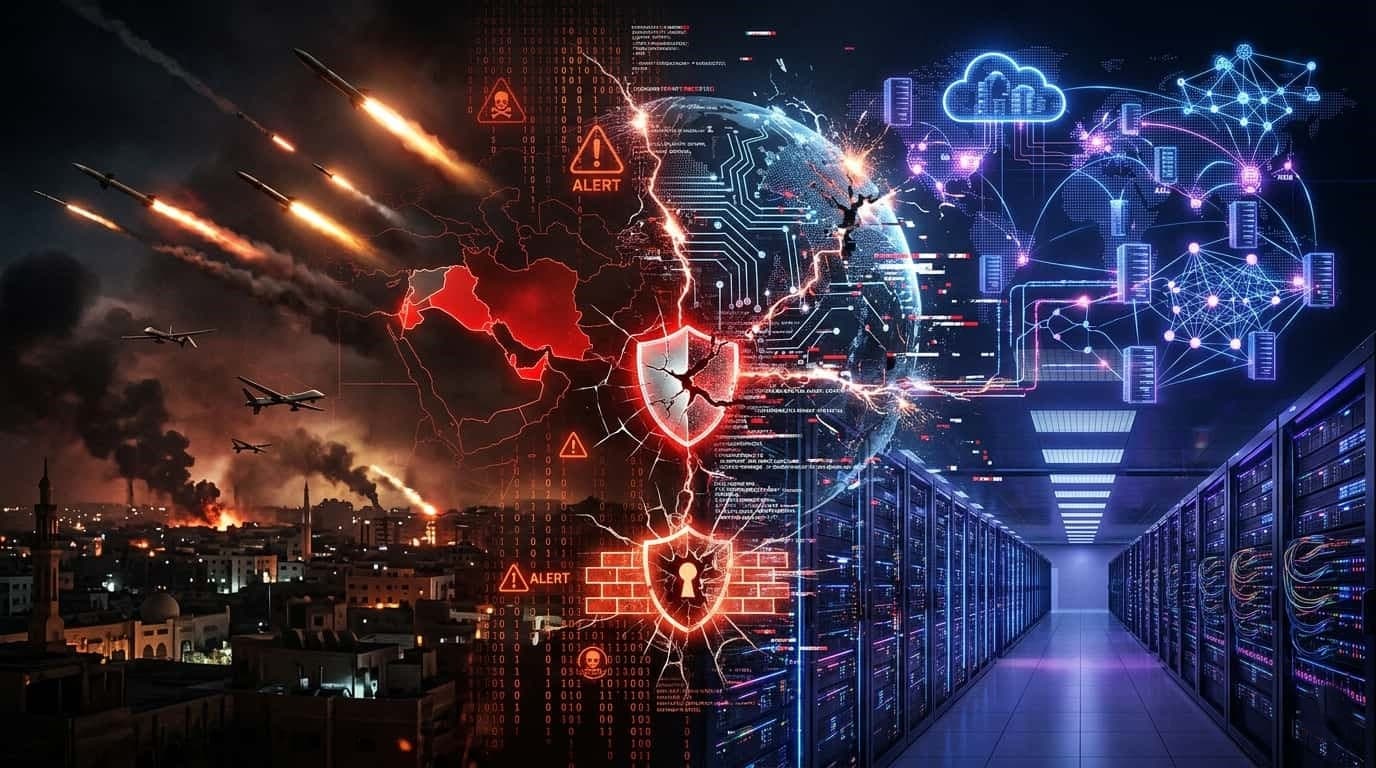
The ongoing US–Iran conflict in 2026 is no longer just a geopolitical concern—it has evolved into a major disruptor for the global IT ecosystem. Beyond military tensions, the conflict is driving instability across cyber networks, energy markets, and supply chains—reshaping how the technology industry operates and plans for the future.
This analysis unpacks how the war is influencing IT spending, innovation, cloud infrastructure, and the global tech workforce.
1. Surge in Cybersecurity Threats
One of the most immediate effects of the conflict is a sharp rise in state-sponsored cyberattacks.
According to recent reports, Iranian-linked hackers have stepped up attacks on U.S. critical infrastructure, targeting energy, water, and transportation systems, with spillover attacks increasingly affecting private enterprises and cloud networks.
Key Impacts for IT:
Escalating demand for Zero Trust security frameworks
Rapid adoption of Endpoint Detection & Response (EDR) tools
Expansion of Security Operations Centers (SOCs) and incident response teams
Global prioritization of cyber defense spending
Insight: The cybersecurity industry is one of the few IT sectors expanding amid geopolitical turmoil, becoming a top global investment priority.
2. Rising Energy Costs → Expensive Cloud & Data Centers
Energy markets are under intense pressure as the conflict disrupts oil and gas flows through the Strait of Hormuz, driving up costs globally.
Since data centers and chip fabrication plants are energy-intensive, volatility in fuel prices directly translates into higher operating expenses for tech infrastructure.
Impact on IT Operations:
Rising costs for AWS, Azure, and Google Cloud services
Increased data center cooling and maintenance costs
Squeezed profit margins for SaaS, AI, and cloud-native businesses
Even a short-term conflict has the potential to create multi-year cost shocks for providers dependent on global energy stability.
3. Semiconductor & Supply Chain Disruptions
Beyond energy, the war has triggered broader supply chain chaos. Disruptions in global logistics and materials procurement have hit hardware production hard.
Key Challenges:
Shortages of helium, critical for semiconductor manufacturing
Shipping delays from regional instability affecting chip and equipment availability
Rising prices for servers, GPUs, and networking hardware
This “helium shock” is already slowing the rollout of AI and cloud infrastructure, risking slower innovation at a pivotal time in the tech industry.
4. Slower IT Spending & Delayed Projects
Economic uncertainty is forcing many enterprises to tighten their technology budgets. According to IDC’s 2026 update, global IT spending growth has been revised down from ~10% to 8.8%, reflecting deferred investments across most sectors.
Trends Observed:
Postponed digital transformation and AI adoption initiatives
Reduced venture funding for tech startups
Budget reallocations toward operational resilience rather than innovation
Rising inflation, high interest rates, and economic instability—especially in Europe and emerging markets—have pushed companies from an “innovation-first” to a “survival-first” mindset.
5. Cloud & Infrastructure Resilience Becomes Critical
The conflict has exposed the geopolitical fragility of centralized cloud architectures. Governments and enterprises are revisiting how to ensure continuity even amid regional instability.
Strategic Shifts:
Growth in sovereign cloud investments across the EU, Gulf, and Asia
Broader multi-region and hybrid-cloud deployments
Focus on disaster recovery and redundancy
Cloud computing in 2026 is no longer only about scalability—it’s now about resilience, sovereignty, and control.
6. Internet Disruptions & Digital Fragmentation
The digital front of the conflict has brought network outages and restrictions within Iran, as well as increased internet monitoring across neighboring regions.
Consequences:
Fragmentation of global connectivity
Surge in usage of VPNs, proxy networks, and satellite internet
Slow but steady rise of decentralized and edge-based platforms
This fragmentation could accelerate the “splinternet” trend—where global internet governance becomes fractured by regional policies and political control.
7. IT Job Market: Dual-Track Transformation
The war’s economic and security effects are producing a split job market in tech.
Negative Trends:
Hiring freezes in startups and mid-sized firms
Contraction in marketing, operations, and non-critical tech roles
Positive Trends:
Increased demand for roles in cybersecurity, defense tech, AI analytics, and infrastructure engineering
Growth in digital forensics and threat intelligence careers
The employment narrative is shifting from growth and innovation to security and resilience.
8. Long-Term Strategic Shifts
If the conflict extends, it could permanently reshape global IT strategy.
Long-Term Trends:
Rise of digital sovereignty and regional autonomy
Expansion of local and government-controlled data centers
Heightened regulation of cross-border tech operations
Shift in corporate priorities from speed-to-market to infrastructure stability
Organizations that once focused on global scalability are now emphasizing local resilience and risk mitigation.
Final Thoughts
The US–Iran conflict of 2026 underscores a sobering truth: technology is no longer insulated from geopolitics.
Energy markets, cyber warfare, and global supply chains now shape the strategic direction of the IT sector. While the industry is not slowing down, it is undergoing a profound transformation—from growth-driven to resilience-driven innovation.
Get our latest articles and updates by email.